Rethinking thermal processes: Rehm on connected electronics manufacturing
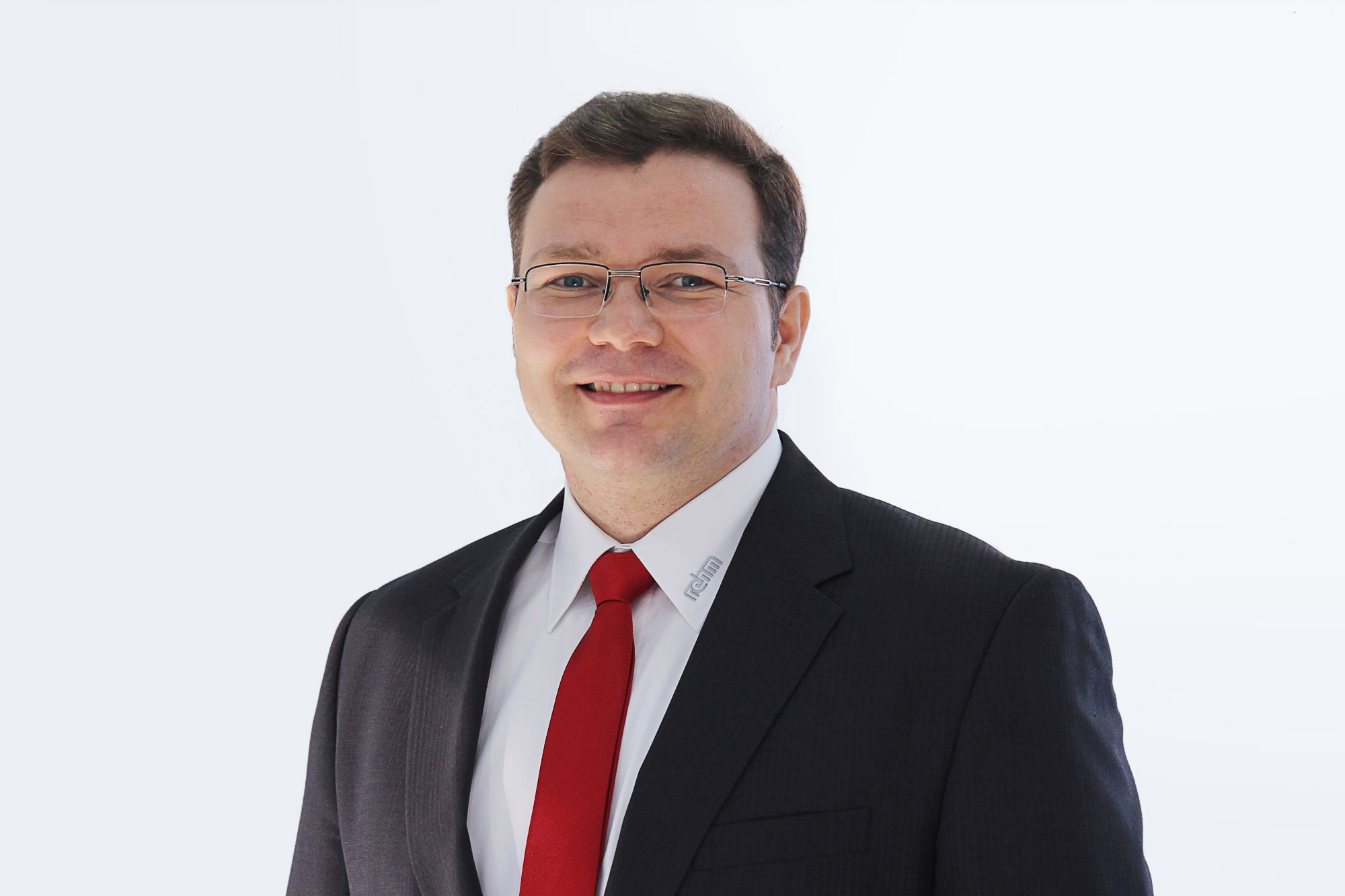
Rehm Thermal Systems is a specialist in joining technologies for soldering, drying and coating. Which changes in electronics manufacturing are currently having the greatest impact on customer demand?
Dr Paul Wild: Above all, our customers are looking for flexible, connected and resource-efficient solutions that ensure consistent quality even as product variety increases. The focus is on a low total cost of ownership (TCO), high equipment availability and the ability to adapt flexibly to different products and production volumes.
Thermal processes must ensure high quality and reproducibility while also operating in an energy- and resource-efficient manner. How can these requirements be reconciled – and where is the greatest potential currently to be found?
Dr Paul Wild: Quality and efficiency can be combined through the interplay of equipment technology, process control and software. Potential lies in optimised gas and heat management, energy-efficient drives and the intelligent integration of equipment into the production environment. Additional functions such as Eco Mode and mechatronic curtains automatically help to reduce resource consumption.
With Condenso Formic Acid, Rehm offers a solution for soldering with flux-free solder pastes. What manufacturing challenges does this concept address, and for which applications is it particularly interesting?
Dr Paul Wild: Formic acid technology activates the joining surfaces without conventional flux, thereby enabling very clean, low-void to virtually void-free solder joints without flux residues. The process is particularly suitable for demanding applications, such as soldering IGBTs onto heatsinks and for advanced packaging, where maximum cleanliness and thermal performance are crucial.
Miniaturisation, increasing packing densities and more powerful electronic assemblies are raising the requirements placed on soldering and coating processes. Where are established processes reaching their limits today – and what technological solutions does the industry need?
Dr Paul Wild: Alongside continuing miniaturisation, the weight and dimensions of many products are also increasing – for example, in the case of high-performance server boards. What is therefore needed are solutions at both the micro and macro levels: increasingly precise process control for the smallest structures, combined with larger process chambers for large-format and heavy assemblies.
With ViCON Connect, ViCON App and ViCON Aide, Rehm is presenting digital tools at EFX to support processes and production control. At which specific points in day-to-day production do these solutions create greater transparency and process reliability – and how do they change the work of employees?
Dr Paul Wild: The ViCON solutions bring together relevant equipment and process information, make it easier to access equipment status and support operation, analysis and production control. Deviations become visible more quickly, decisions become more transparent and knowledge is made available in a more targeted way. As a result, work is shifting from a predominantly reactive approach towards more data-driven process management.
Another focus of your EFX programme is line automation and fully connected production lines. Which interfaces and prerequisites are essential to ensure that individual high-performance machines become a stable, continuous production process?
Dr Paul Wild: Standardised interfaces such as Hermes and CFX, clearly defined data models and reliable connections to higher-level MES systems are crucial. A shared approach to process design, coordinated cycle times and comprehensive commissioning are equally important. A stable line is not created by high-performance individual machines alone, but by their precise interaction.
Rehm is also focusing on employee training and qualification at EFX. Which skills are becoming more important as production processes become increasingly automated and digitalised – and how can companies prepare their teams for this change in a practical way?
Dr Paul Wild: A sound understanding of processes, confidence in using digital tools and the ability to interpret data correctly and develop solutions systematically are becoming increasingly important. That is why we focus on practical training using real equipment and processes, combining technical knowledge with specific tasks from day-to-day production.
Rehm has supported EFX from the very beginning. What experience and priorities have you contributed to the development of the format – and what can visitors expect at Stand 9C19, as well as during your Bar Talks and the “Soldering Clinic”?
Dr Paul Wild: Above all, we have contributed our global experience from other trade fairs, as well as our desire for a new format that closely combines knowledge transfer, solutions to specific challenges and personal interaction. At Stand 9C19, visitors can expect concrete solutions relating to reflow soldering, coating and drying, with a focus on process expertise, automation and connected production lines. During the Bar Talks and the Soldering Clinic, they will also have the opportunity to discuss their own questions directly with our experts and take away specific approaches to solving them.
zurück zur Übersicht