In the spotlight: Future trends in electronics manufacturing
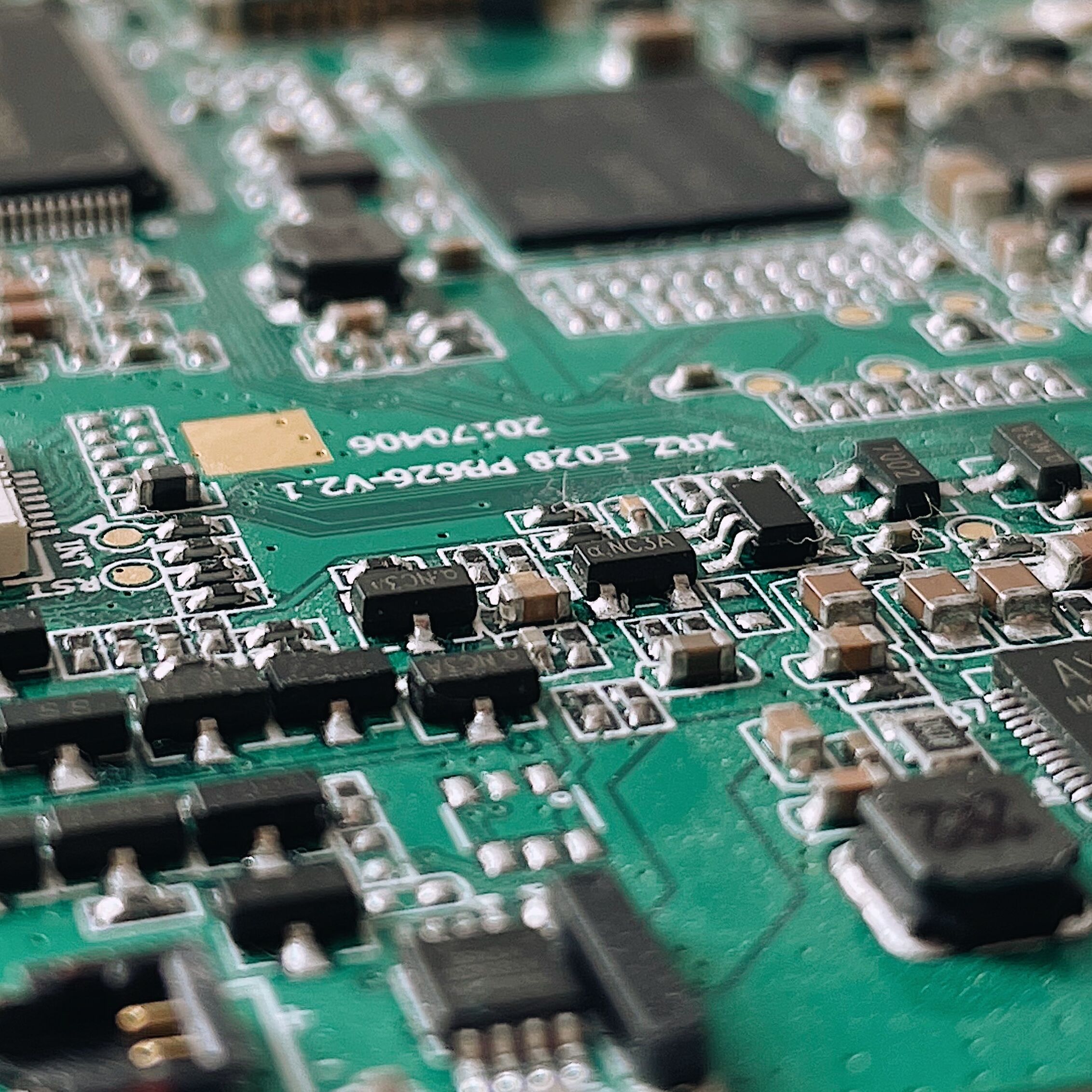
The increasing trend towards miniaturisation is shaping modern SMD manufacturing considerably. Components such as 01005 and smaller enable extremely high component densities and compact PCB designs. At the same time, the demands on layout, stencil printing, placement accuracy and inspection are increasing. Miniaturisation therefore means not only smaller components, but also greater precision throughout the entire SMT process.
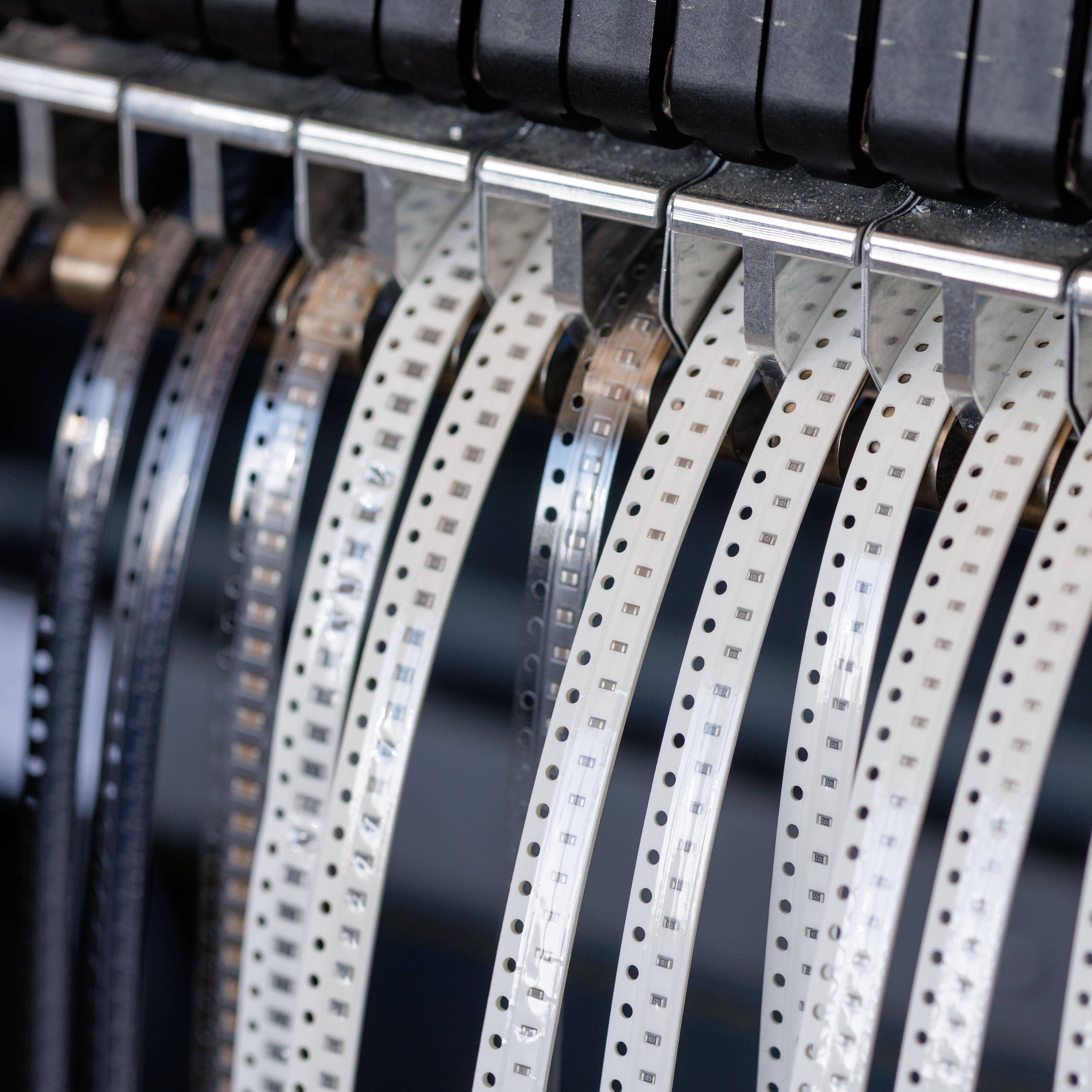
Even with more stable supply chains, supply-chain resilience remains a central issue in electronics manufacturing. Diversified supply strategies, Second Sources and strategic stockpiling are decisive to ease the effects of price fluctuations and availability risks. Today, procurement and production planning must go hand in hand to maintain the ability to deliver reliably over an extended period.

AI develops rapidly into a driving force in electronics manufacturing. AI supports electronics manufacturers in the more efficient control of their production processes, in the automated analysis of their quality parameters as well as in the optimisation of their planning processes. Typical applications here are Predictive Maintenance, automated AOI and AXI error analysis, intelligent production planning, demand forecasting and supply chain optimisation.
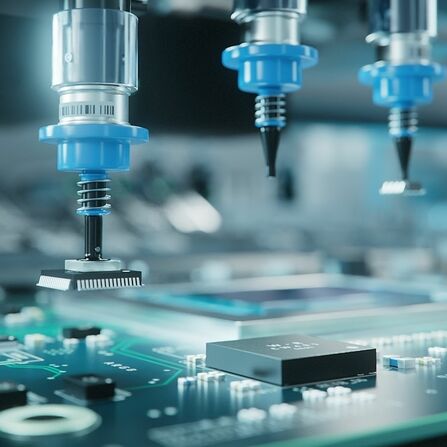
Electronics manufacturers increasingly invest in automated and digitally networked production environments. Industry 4.0-compatible machinery, fully automated SMT lines, autonomous materials logistics as well as digital twins and real-time data collecting make processes more efficient and stable. The ultimate goal is to increase productivity and process reliability while countering the further shortages in skilled labour.